
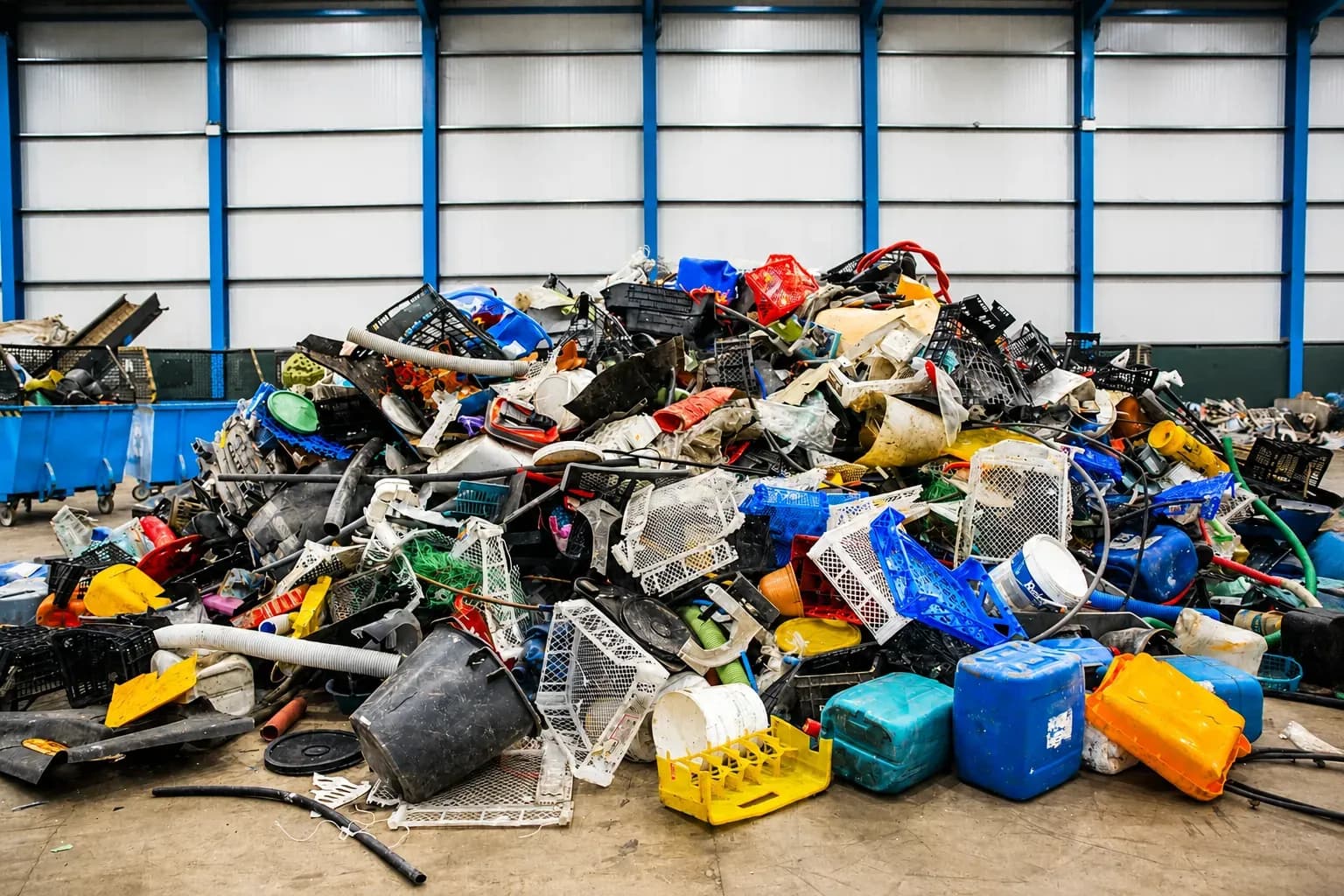
Choosing a Waste Operator: A Critical Risk Management Decision
Choosing a waste operator is a risk management decision, not just a price negotiation. Here are the key points worth verifying before awarding a contract.
When a company hands over its waste to an operator, it also transfers part of its legal and reputational exposure. The producer's liability ends upon delivery to a properly licensed operator — but only under that condition. If delivery is made to an unlicensed entity or for an operation not covered by their permit, the issue reverts to the producer, often years later and always at the worst possible time.
It is therefore worth treating this selection with the same diligence applied to choosing a critical supplier. Based on our experience, the following points best distinguish a smooth partnership from a troublesome one:
1. The licensing permit — and what it actually covers
Request a copy of the operator's environmental permit and verify three things: validity, covered EWC codes, and authorized management operations. An operator may be fully licensed and yet unauthorized to receive the specific waste stream you generate.
2. Who handles transport, and with what documentation
Waste transport requires specific registration and, for hazardous waste, compliance with ADR rules. Confirm who handles transport and whether e-GAR issuance falls on the operator or you. An operator managing end-to-end documentation saves you hours of administrative work and prevents recorded system errors.
3. Does the operator process the waste in-house?
Understand whether the operator possesses in-house treatment capabilities or merely collects and resells. The difference is substantial and directly impacts the price paid to you. For your company, this means two concrete benefits: fairer valuation of your waste and the assurance that materials truly re-enter the value chain.
4. Data reporting capabilities
A reliable operator delivers information alongside logistics: accurate weighings, timely completed transport guides, quantity reports by EWC code, and recovery rates. This data feeds your MIRR report, environmental KPIs, and client questionnaires. Ask if they assist with SILiAmb registration and annual reporting.
5. Containment equipment — and who supplies it
Proper packaging issues are solved with the right equipment on site. Check if the operator supplies suitable containers (rental, loan, or assignment), sizes the fleet to your actual production, and ensures immediate replacement during collection so production never stops.
6. Schedule frequency and response times
Scheduled collections prevent buildup, free up space, and stabilize costs. However, a great operator excels in handling unexpected needs: factory shutdowns, extraordinary cleanups, or unscheduled batches. Ensure response times are agreed in writing.
7. Scope: How many suppliers do you want to manage?
An industrial plant typically produces 5 to 20 distinct waste streams. Splitting them across multiple vendors multiplies contracts, invoices, and compliance checks. Consolidating under a single, broadly licensed operator streamlines management and improves commercial terms.
MJD's Answer to This Checklist
We operate under a waste management permit covering over 600 EWC codes at our own facility in Guidões, Trofa, with three decades of industry experience. We supply custom containers on rental or loan terms with immediate replacement upon collection, establishing periodic plans tailored to production rhythms. We handle e-GAR issuance, SILiAmb registration, annual map submissions, and supply all data for your internal reporting.
To review these points with us, contact +351 229 820 742 to schedule a technical visit.
Share this article